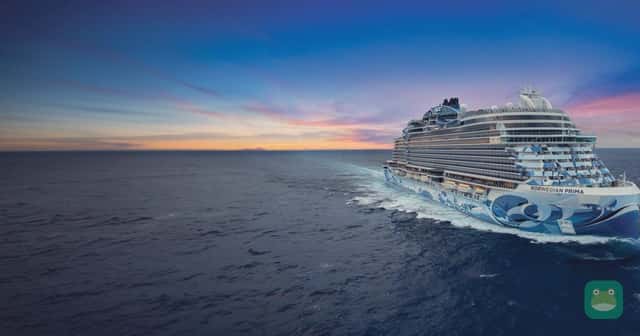
Norwegian Cruise Line Holdings reported a better quarter than it had forecast on October 29, while stopping short of declaring its booking recovery complete. For cruise shoppers, the useful part of the announcement is the gap between stronger recent business and the work still ahead.
The company's third-quarter release reports $2.9 billion in revenue and $491 million in net income. Adjusted earnings per share came to $1.12, above its $0.90 guidance. Management credited stronger close-in demand, onboard spending and cost control.
A stronger quarter does not mean every sailing costs more
Norwegian said its booked position for the next 12 months had improved modestly since its previous update but remained below its preferred range. It expects 2027 net yield growth of 1% to 2%, with a stronger second half. Net yield measures revenue performance against capacity; it is not a promise about the price of a particular cabin.
That distinction matters when reading a headline about earnings. A company can sell more onboard extras, change its mix of itineraries or manage costs better without raising the fare on the sailing you want. A fleetwide result cannot tell a family whether a specific school-break departure is a good deal.
Our reading is that shoppers should keep comparing individual trips rather than use one earnings report as a signal to rush. There is no evidence here that every remaining cabin will get cheaper, either.
Compare the fare you can actually book
Build a comparison using the same ship, departure date, cabin category and number of guests. Add the extras you would really buy. A lower advertised fare can lose its advantage when a second offer includes items that would otherwise be paid separately.
Keep the cancellation terms beside those totals. A flexible fare and a restricted fare are different products even if the cabin looks identical. The value of flexibility depends on your own plans, not on the company's quarterly profit.
If you already have a booking, ask your booking channel what changes are possible under your reservation's terms. Do not cancel a useful cabin simply because an investor update sounds optimistic or cautious. Replacing it may create a new deposit or a different set of conditions.
Onboard spending deserves its own budget
Management's reference to onboard spending is also a useful reminder to price the vacation beyond the fare. Decide in advance what you want to spend on drinks, dining, excursions and other extras. That is a budgeting step, not a claim that Norwegian raised any particular charge in this release.
Try comparing an essentials-only trip with the version you would actually enjoy. The difference makes optional spending visible before you board. It also makes a package easier to assess against buying only the items you want.
What to watch next
Future booking updates will show whether Norwegian moves closer to its desired position. For now, this is evidence of a better-than-forecast quarter and a company still working on its forward sales.
The practical takeaway is to shop the trip, keep a written total and resist treating a fleetwide forecast as a personal price prediction. Browse Norwegian's fleet to compare ships before comparing offers.